
Are Kentucky Mugshots Public?
Photographs held by Kentucky agencies fall inside the state's public-records framework. Under KRS 61.870, photographs count as public records. KRS 61.872 lets Kentucky residents ask a custodian, in writing, to inspect or copy them. None of that promises a spot on a public roster. The agency has to actually hold the record. It must also identify the record from the request. Then it decides whether an exception or another law blocks access.
The type of image matters too. A jail intake photo, a police identification photo, an image sitting in a court file, and a Department of Corrections profile picture may look the same. Yet each has a different custodian. KRS 61.870 defines a booking photograph separately. Inmate images fall under KRS 196.099. Current custody pages offer one route to a newer image. An older photo may take a formal records request. For later court events, the case file is the place to look, not the booking record.
Kentucky Mugshot Law Scope and Limits
Kentucky's anti-pay-to-remove statute is KRS 61.8746. It kicks in when a booking photo, or an inmate photo under KRS 196.099, was first obtained from a public agency for a commercial purpose, then published in print or online, and finally tied to a removal condition demanding payment or other consideration. The law covers those specified booking and inmate images. It does not hinge on any one publisher or one kind of website.
| Question | What the statute says |
|---|---|
| Which images? | A booking photograph or a covered KRS 196.099 inmate photograph from a public agency. |
| Which conduct? | Commercial use in a publication or website when removal requires payment or other consideration. |
| What relief? | The affected person may seek an injunction or other appropriate Circuit Court order, plus costs and reasonable attorney fees. |
| What damages? | A court may award daily damages, with the statute's schedule rising after each 30-day period. |
The damages schedule climbs over time. It starts at $100 per day for the first 30 days. The rate moves to $250 per day for the next 30. After that, it is $500 per day. Damages sit in the court's discretion. Every day the violation continues counts separately. This is a civil remedy, and the current text treats nothing here as a crime. The current KRS 61.8746 text carries the operative language and any later amendments.
Nor is the statute a blanket ban. It does not order every unflattering photo taken down. Nor does it bar accurate reporting. What it targets is a commercial use paired with a pay-to-remove condition. Access and publisher conduct are separate questions. A record can be open to a requester while a permanent photo gallery stays improper. And when an agency updates its roster, copies held elsewhere do not vanish.
Kentucky HB 132 and Mugshot Law
House Bill 132 started in the 2016 regular session as a measure about booking photographs and inmate photo records. Representative G. Watkins filed it on January 5. The official history shows the House passing it 93–0 on February 18. The Senate voted 38–0 on March 24. House concurrence came 99–0 on March 29, and the governor signed on April 13. It became 2016 Kentucky Acts Chapter 101. The bill history links each version and amendment. Those matter, because the final remedy looks nothing like the first draft.
Amendments stripped out a proposed criminal penalty. A civil path in Circuit Court took its place, with injunctive relief, costs, attorney fees, and a court-awarded daily damages scale. The court changed from District to Circuit. The covered images grew to include the KRS 196.099 inmate-photo category. The Kentucky General Assembly's HB 132 record lists the title, the sponsor, and the final action. That page is a bill history, not a court ruling.
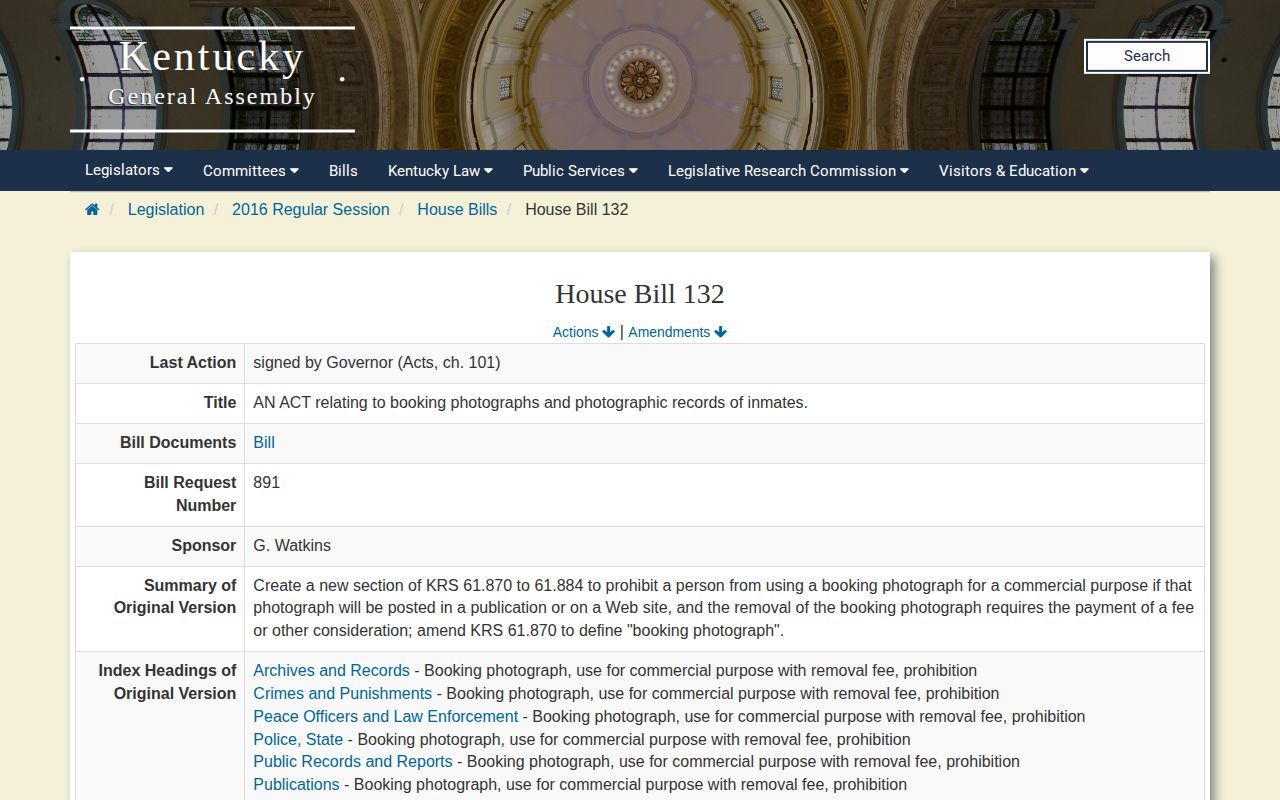
The vote history explains how the civil remedy reached its present form. It cannot tell you how a court will rule in any one dispute. No published Kentucky appellate decision applies KRS 61.8746's damages schedule to a named publisher. The statute remains in force. It is the source of that remedy. Trial-level fights or settlements may exist. They sit outside the reported cases. A broad summary never decides a person's own facts.
Kentucky Open Records Photo Requests
The Open Records Act provides the path to ask an agency for a photo it holds. The public-records definition includes photographs, and a written application must describe the requested record well enough for the custodian to identify it. The Act also covers copies, formats, and reasonable reproduction charges. KRS 61.878 sets out exemptions, including some law-enforcement investigative material. Check the current text when making a request.
A useful request identifies a person, agency, and approximate date, and names the record being sought. If the arresting police department and the holding jail are different, send the incident-record request to the arresting agency and ask the agency that created or kept the intake photo for that image. Add a case, booking, or incident number when it is known. The custodian can ask for clarification if the request does not point to an identifiable record.
- Name the public agency that likely holds the image, and describe the booking photo or record with the person's name and an approximate date.
- Add a case, booking, or incident number when available. Keep the request narrow enough for the custodian to locate one record.
- Ask for inspection or a copy in the format the agency keeps, and ask the custodian to explain any fee or redaction.
- Send the written request through the agency's listed open-records process, then keep its response and any appeal instructions.
Don't confuse the response clock with a delivery date. The Act's five-business-day rule requires an agency to respond, not to hand over the photo. Extra time can be legitimate. The office might need to search further or consult another office. It may redact protected details. Or it may explain that an exception applies. Current access can also hinge on another law or a court order. Kentucky State Police explains its written open-records request process on the official request page.
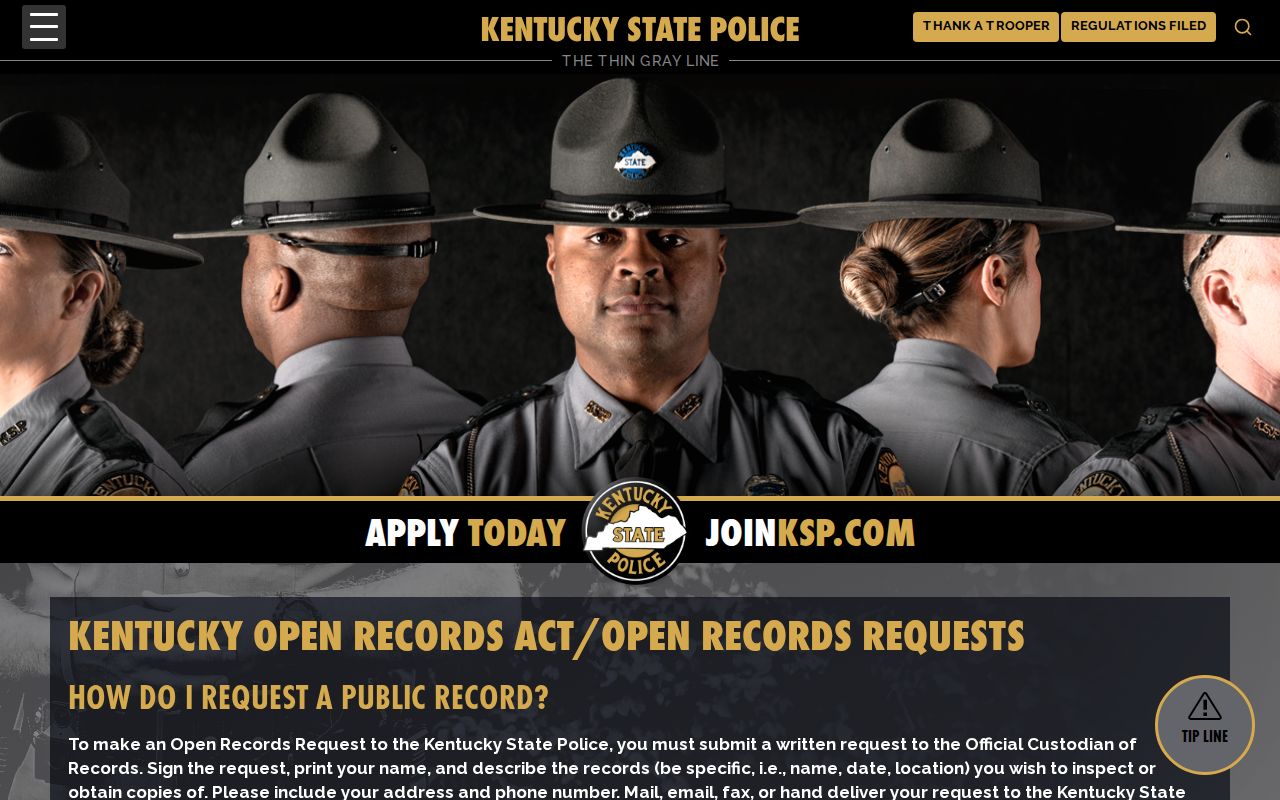
That form only handles KSP records. Local jail or police files belong with the local agency that holds them.
Kentucky Juvenile Records Stay Closed
Age can change the answer. KRS 610.320 generally closes law-enforcement and court records about children under 18 to the public. A narrow exception exists. It allows public access to listed case documents in specified serious delinquency matters. The child must have been at least 14. Examples include a petition, order, adjudication, or disposition. Even so, juvenile booking photos are not a routine public roster field.
KRS 610.340 makes juvenile court records confidential and limits who may receive them. A court may allow disclosure for good cause. That statute also covers a limited violent-felony proceeding and automatic sealing in defined circumstances. A private publisher's search result changes none of this. When age or juvenile status is unclear, the record should not be repeated as an adult entry. It is not an adult arrest record. Medical, treatment, school, and other protected details stay protected even when they appear in a responsive file.
Adult records face limits too. Active-investigation material, court orders, security information, sealed or expunged files, and protected personal details can all block access. So can a different custodian. A blank roster only means the selected public source showed no result at that time. It does not establish that no arrest or custody event occurred.
Kentucky Expungement and Online Copies
Expungement changes official records through a legal process, not through a website request. Kentucky's automatic-expungement rule covers qualifying acquittals and dismissals with prejudice on or after July 15, 2020. A 30-day period lets the person object first. Traffic infractions stay outside that route. Cases that do not qualify may still work through a petition, though timing depends on the result and case type. A pending motion is not an entered order.
Other statutes allow petitions for eligible misdemeanors, violations, traffic infractions, and certain dismissed or amended charges. But none can be filed sooner than five years after completion of sentence or successful probation. The clock runs from whichever comes later. Offense exclusions and other eligibility rules still apply. A separate process handles eligible Class D felony categories, adding a waiting period, prosecutor notice, and other conditions. Its exclusions include specified sex offenses, offenses against children, DUI categories, and cases involving serious injury or death. The Kentucky Court of Justice explains its expungement certification and filing process, including automatic-expungement notices and forms.
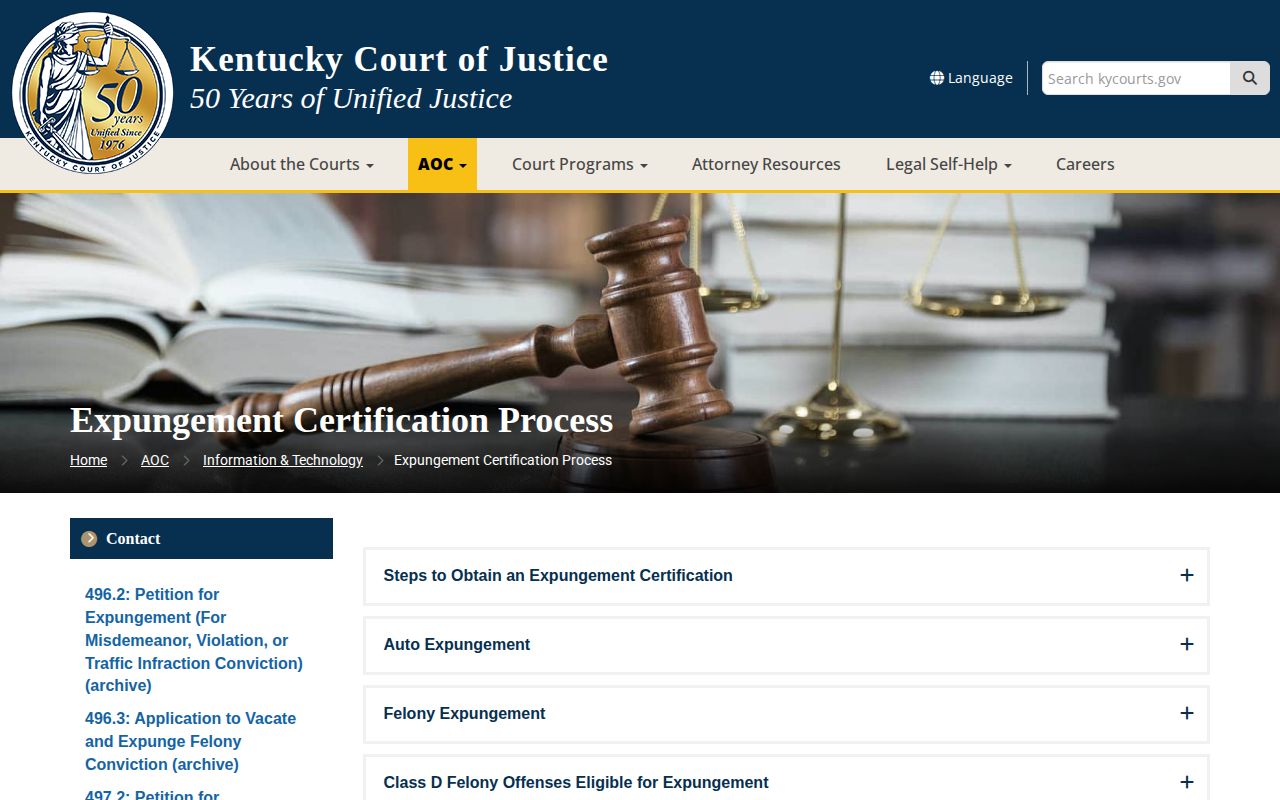
That page explains how a qualifying order is certified and sent through the official process. It does not decide whether a particular case qualifies.
Kentucky defines expungement as deletion or removal by courts and agencies. The matter then does not appear on an official state-performed check. Certification involves KSP and the courts' Administrative Office. An entered order reaches agency records, including a booking photo held there. The order does not control a private publisher's copy. The same goes for an image cache or a news archive. The affected person must use the official process for official files. Then contact each publisher that keeps a separate copy. Kentucky's court forms page lists expungement form families for acquittal or dismissal, misdemeanor, felony, and juvenile matters.
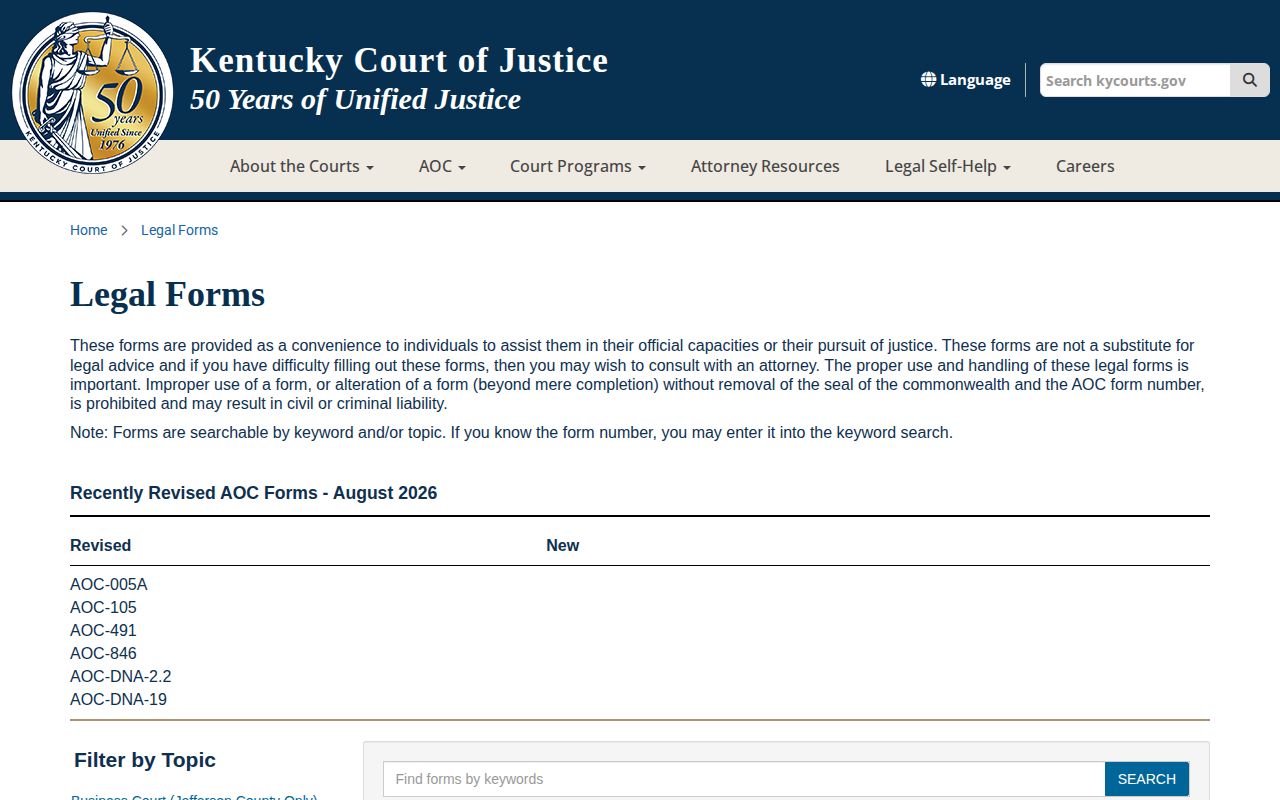
Rely on the current court forms and eligibility rules for your case type. An old online summary is never a final answer.
Kentucky Free Mugshot Corrections
Commercial publishers may keep copies after an agency changes its own records. Their correction rules sit outside Kentucky's expungement order. A copied page is not an official source. State publisher pages describe several no-fee processes, though terms and response estimates are publisher statements. Start with the exact URL and official proof of a changed disposition. Then check that publisher's current requirements.
| Publisher route | What the reviewed policy says |
|---|---|
| RecentlyBooked | No fee for a correction or removal request; it lists expungement, dismissal, sealing, wrong-person, outdated, juvenile, and duplicate cases. |
| Mugshots.com | No-charge record correction or removal for listed documented grounds, with processing said to take up to ten business days. |
| Busted Newspaper | A free request route for listed outcomes, with verification described as taking about five to ten days. |
| Mugshots.zone | The reviewed local form gives a verification window but does not state a fee, so no free-removal promise can be made. |
| Arrests.org | A removal heading was found, but no clear Kentucky-specific free policy with terms or timing was verified. |
| News reports | No routine free opt-out for accurate public-interest coverage was located; ask the outlet to correct a factual error or update a documented disposition. |
Mistakes happen on copied entries. RecentlyBooked sets out its correction categories and request fields in a policy page for visitors seeking a change to a copied entry.
Read that policy as a publisher's process statement, nothing more. It does not show a court order or any change at the agency holding the original record. Confirm the court's result first. Get the order or whatever official paper the policy asks for. Then send the exact page address. State clearly which status needs correcting. Skip unrelated private details. A stated response window promises nothing about caches or copies sitting on other pages.
Wrong entry at the source? Send a separate request to the agency custodian. Some publisher policies never spell out an eligibility rule, a fee, or a time estimate. So don't assume the request is free. Nor that it will be granted. Nor that any image is current. A paid demand tied to a covered image raises a different question under KRS 61.8746. A correction request is not a universal internet erasure process. Money for guaranteed statewide removal is a warning sign, not Kentucky law. KRS 61.8746 applies only when its image, source, commercial-use, and payment conditions are met, and it creates no universal delete button or sure result from any paid promise.
Kentucky Official Record Lookup Routes
Which office you need depends on the record. A jail or detention facility answers for people in its own custody right now. The arresting police agency keeps the incident record. The county Circuit Court Clerk holds the case file, and CourtNet helps you find a case or its status. DOC's KOOL search covers state custody and supervision profiles only. One system's result never verifies another office's record.
For current county booking information, use the source paths collected in the Kentucky statewide arrest and roster overview. For a state custody profile and its separate offender image, use the official DOC mugshot and offender search page. No image or no result? Ask the likely custodian about that specific record and any public-access limit. The agency that created or keeps an image is the best place to verify its date and status.
Keep the record layers straight. That habit prevents a common mix-up. A booking entry is not a court outcome. A state offender photo is not the original county booking image either. Follow the event from the arresting agency to the court file. Then use the status the official record gives.