
Kentucky Wanted Lists Have Separate Roles
No statewide roster rounds up every wanted person in Kentucky. Several agencies publish pieces instead. Kentucky State Police (KSP) posts selected cases of interest. The Kentucky Offender Online Lookup (KOOL) can flag a Department of Corrections absconder. The U.S. Marshals Service (USMS) shares profiles of selected federal fugitives. Local sheriff and police departments add case-specific news releases, where the issuing agency and date carry real weight.
These categories mean different things. A DOC absconder status covers someone under state corrections supervision, not a county jail booking or a county warrant. A KSP case notice may simply seek information about an investigation, without claiming a named person has an active warrant. Keep the distinctions straight when you run a name.
| Official route | What it covers | Important limit |
|---|---|---|
| KSP Cases of Interest | Selected investigations with a county selector | Not a statewide wanted or warrant roster |
| KOOL | DOC offender profiles and status, including an absconder indication where shown | State supervision status, not a county booking list |
| USMS profiled fugitives | Selected federal profiles, including some tied to Kentucky districts | Not a complete Kentucky or county list |
The KSP county-selected case page can help narrow a particular public-safety case. Its selector covers chosen investigations only, not warrant results or a roster of everyone wanted.

Treat the selector as a starting point. It points you to a specific public case, and the agency named in that notice can confirm current status. It does not replace a court or sheriff's warrant check.
How to Use the Kentucky Most Wanted List
Rather than one complete statewide roster, Kentucky offers separate agency routes. Check each source for the record it actually holds:
- Open the official notice and note its agency, date, county, status wording, and contact path. KSP Cases of Interest describes selected cases, not warrant status.
- Search KOOL separately for a DOC status. Treat “absconded” as a corrections entry and confirm any update with DOC.
- For a federal profile, check the relevant USMS district notice. Ask that agency whether it remains current before sharing or responding.
Kentucky Wanted Listing Details
A public profile is useful mainly for telling you whom to call. The fields differ from agency to agency and case to case. Some notices include a photograph. Others carry none. Listings get updated, removed, or simply left online after the status behind them changes. Read the date, the source agency, and any instructions on the official record itself. An old name or photo proves nothing about whether a warrant is still active.
| Possible field | How to read it |
|---|---|
| Name or alias | Use agency-supplied identifying details to distinguish a name match from the person meant by the notice. |
| Photo, when supplied | It is an agency identification aid. Keep the photo on the official source and do not treat it as proof of guilt. |
| Case or incident summary | A short account of the matter that prompted the request for help, not a full court record. |
| Requesting agency | The office that can confirm whether the notice is still current and accept a tip. |
| Tip instructions | The official way to share information. Use it instead of contacting or approaching the person named. |
| Status wording | Terms such as “absconded” describe a listed agency status; check the agency for changes or corrections. |
Skip the assumptions. A missing image does not make a record false. An online photo may come from an earlier booking rather than the current notice. The listing agency defines its own fields and holds the current status. The KOOL public information page posts the DOC search disclaimer. It puts the state profile in context. Read its result as a corrections record, nothing more.
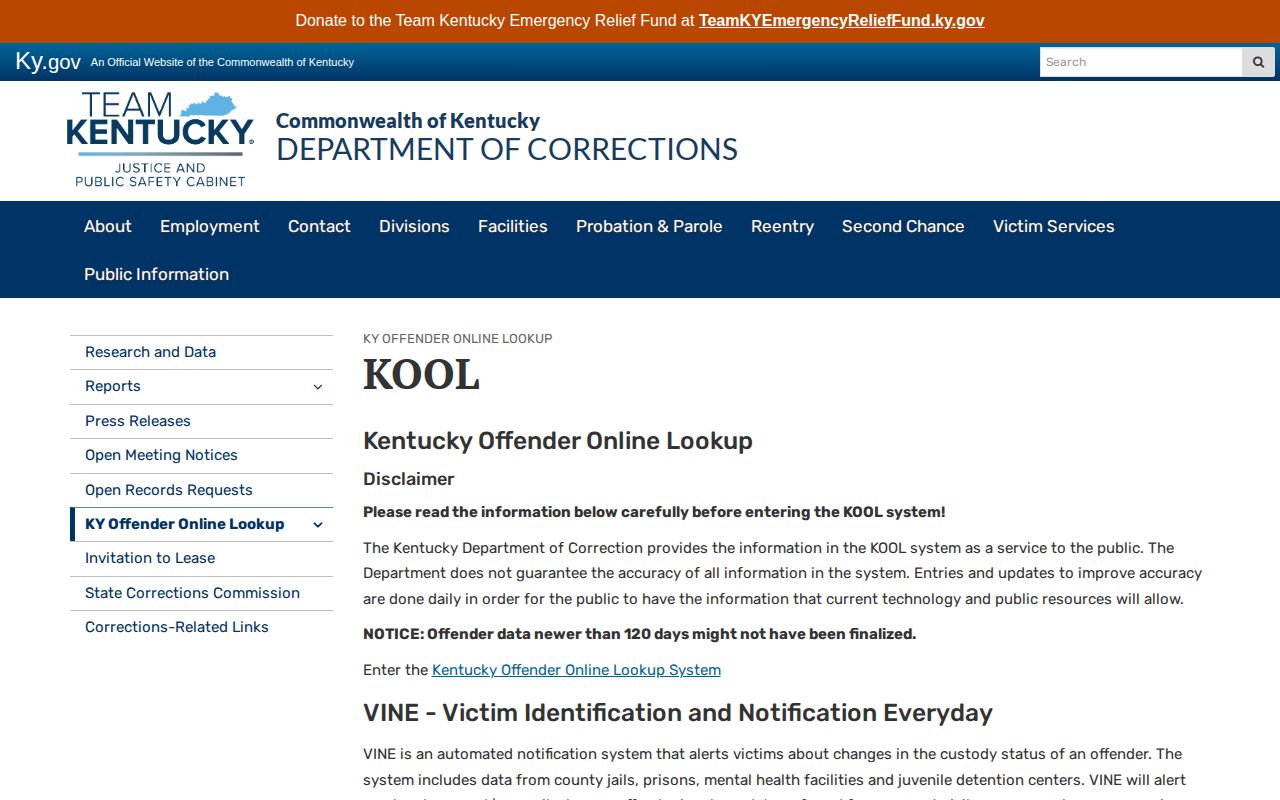
An "absconded" label deserves a call to DOC before you act on it. An arrest, return, update, or correction can change that result at any time.
Kentucky County Warrant Checks
Counties in Kentucky do not share one public warrant page. The county of arrest, the court handling the case, and the place of custody can all differ. Regional systems hold people across county lines. The issuing court or agency holds the authoritative answer on its own record. The Kentucky County Directory routes you to local county information. Use it to find the official agency. Then ask its court clerk or law-enforcement contact about a specific warrant. Remember that a jail roster answers custody only. It does not say whether some other county holds an active warrant.
Kentucky Warrant Types and Related Notices
There is no exhaustive warrant-type directory or single live statewide index in Kentucky's public sources. The labels here separate records and statuses you may run into. They are not a full legal classification.
| Warrant type or related status | What the statewide source supports | Where to verify |
|---|---|---|
| County or court warrant record | County warrant information is distributed; CourtNet may locate a case but is not a complete live warrant database. | The issuing court or agency in the relevant county |
| Bench warrant | Reported in a specific Jefferson County family-court matter; a September 22 update says the appeal stayed the remaining sentence without vacating contempt. | The court named in that case or notice |
| DOC absconder status | A KOOL corrections status, not a county booking or a warrant finding. | Kentucky DOC through KOOL or its official contact route |
| Federal fugitive profile | USMS posts selected federal profiles, not a complete Kentucky warrant list. | The USMS district named on the official profile |
- Gather the county, court, case number, or citation from a reliable notice or record. Do not rely on a name alone when common names may overlap.
- Search the statewide CourtNet case information with the relevant jurisdiction and the identifying details its search form requires.
- Contact the Circuit Court Clerk in the county tied to the case if the docket is unclear, a document is missing, or the question is whether a warrant remains active.
- Ask the agency listed on the notice to confirm current status. If the issue may concern you, speak with a lawyer or contact the court through its official public channel about a safe response.
An old notice or an unofficial label never substitutes for confirmation. Note: A jail roster answers custody, while the issuing court or agency answers whether its own warrant notice stays active.
Kentucky CourtNet Case Search
CourtNet is the statewide public entry point. It covers case information across Kentucky's counties. The search asks for a jurisdiction first. It may then require a case number or a mix of party details. It can locate a case, party, citation, or status. It is not a booking roster, though. It shows neither every underlying document nor a complete live warrant database.
The Kentucky Court of Justice records page draws the line clearly. The Administrative Office of the Courts does not keep the underlying county files. For a local case file, the county Circuit Court Clerk comes first. Older material may sit at the State Records Center or the Kentucky Department for Libraries and Archives. Some records may have been destroyed under a retention schedule. The CourtNet search screen begins with jurisdiction. Yet a result may miss live warrant status or a later order.
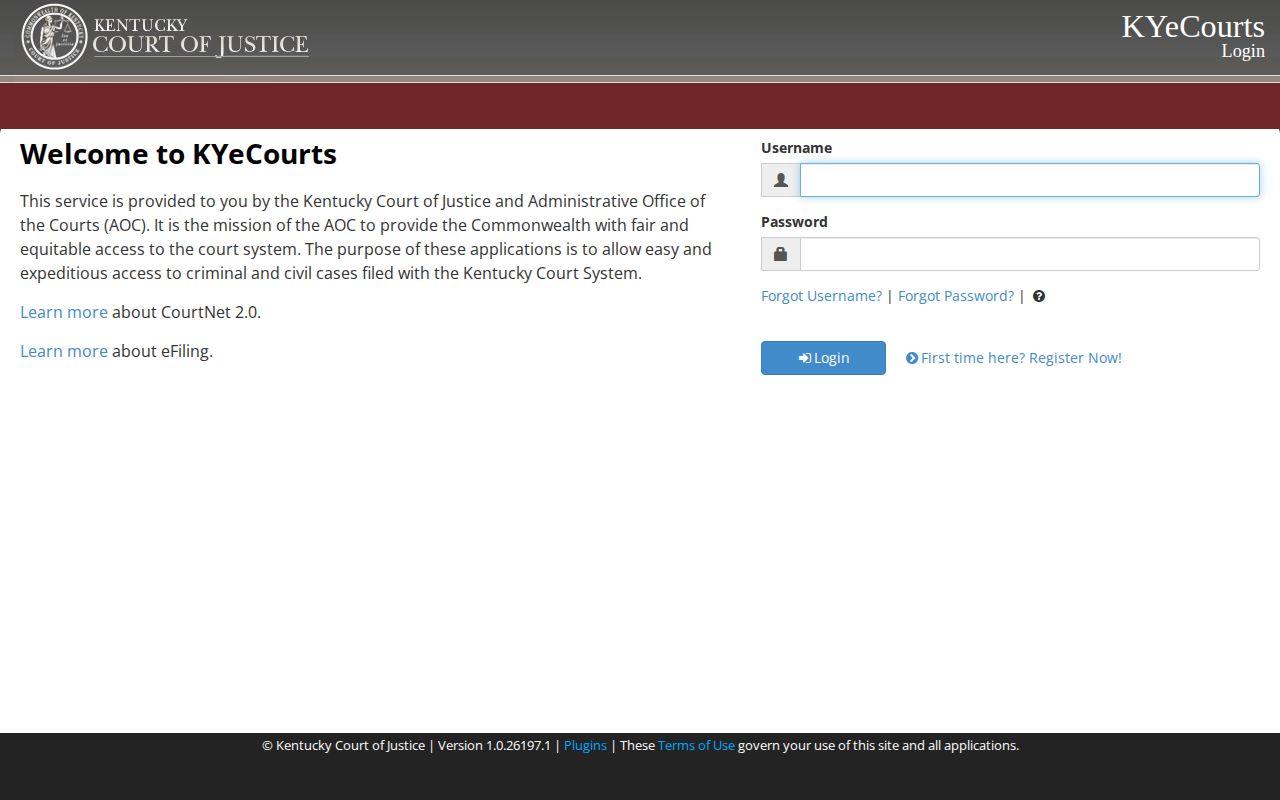
Read each docket entry with the court's own status terms and dates. Entries can show open, continued, dismissed, amended, or sealed, and those labels are not interchangeable. A blank result answers nothing about warrants. Ask the clerk who holds the file instead of guessing from a missing match.
Kentucky Warrant Status and Court Follow-Up
One docket can name a case yet say little about its warrant. Statuses shift. That is why the file number, the issuing court, and the notice date belong together on paper. Hand all three to a clerk or agency. The right record surfaces fast.
When the matter touches you or family, go straight to the issuing court or agency. Ask how to respond. A lawyer can help. This routing matters most when a warrant, an arrest, and custody each land in different counties.
Need a plain search that starts with a name or a booking? The statewide Kentucky arrest and mugshot overview sorts records by type. It explains the difference between a local roster, a court case, and a state custody result.
Kentucky Wanted Notice Safety
Do not approach, follow, threaten, film, confront, or try to detain anyone named in a wanted notice. Public profiles exist for law-enforcement identification and tip work. A person may only resemble the photo. The underlying status may have changed after posting. Let trained officers verify identity and handle any contact, because a resemblance alone can put the wrong person at risk. Report what you saw. Stay out of the encounter itself.
Safety first: immediate danger means 911. For anything else, use the agency's official tip route and keep unverified claims out of public view.
Check with the issuing agency before repeating anything. Old press releases stay searchable forever. A person may already be located, a case may have shifted, or a court may have acted since the page went up.
Kentucky Fugitive Tip Channels
Kentucky State Police run a dedicated intake for leads. The KSP official tip page takes incident details plus optional contact information. Fill in the form as prompted. Stick to useful facts, like where and when you saw something. KSP is clear that emergencies belong with 911, not a form. And never route a tip to some unrelated county. Never splash identifying details across social media.
The US Marshals Service handles federal fugitive leads through its own channels: online reporting, usmstips@usdoj.gov, and 1-877-WANTED2. Kentucky splits between an Eastern and a Western District. The USMS district directory lists both. The Eastern District page describes a task force and posts no fugitive cases. The Western District profile covers selected cases rather than every Kentucky warrant.
Already have a lead? The KSP tip form is the right destination. Its fields gather incident information. The form also includes guidance on reporting safely.
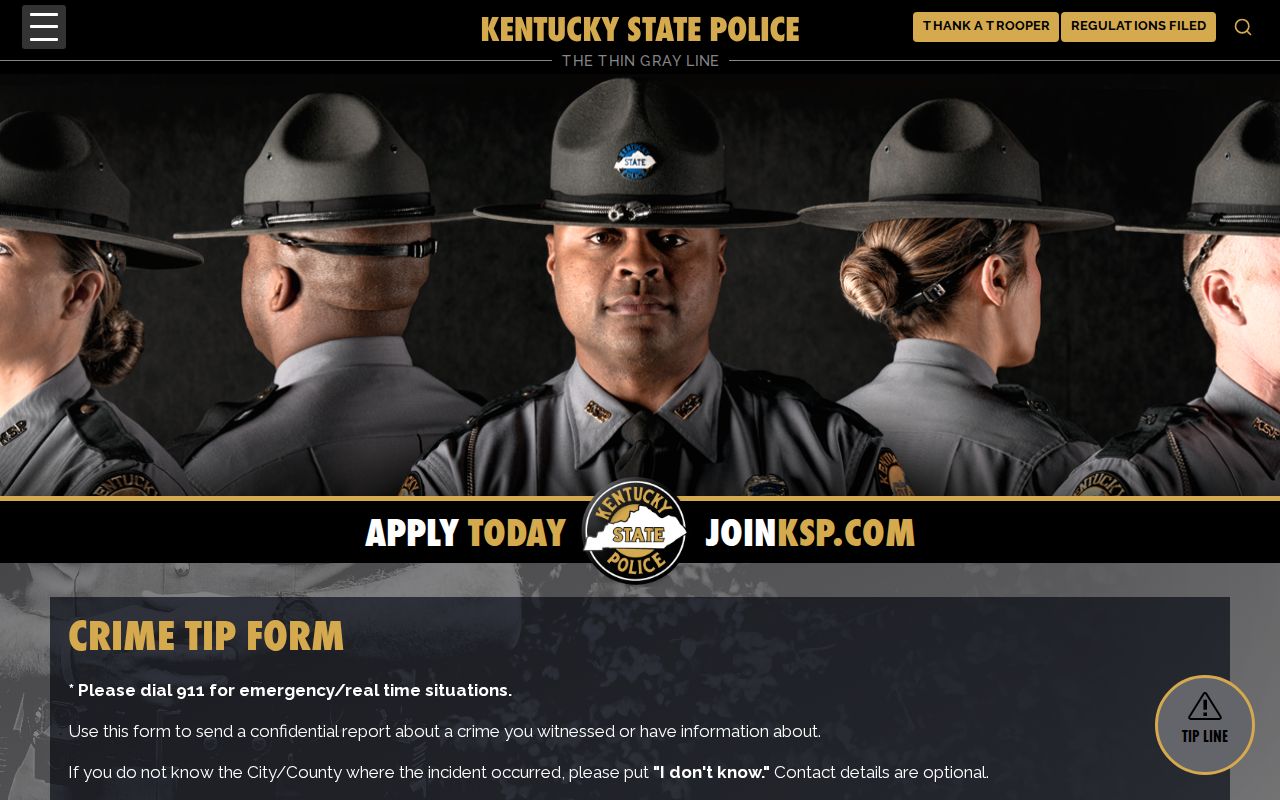
Once your tip goes in, step back and let the agency handle it. Repeating a tip in public, or expecting a quick reply, can complicate an active fugitive case and shift how a wanted notice is treated.
Official tip routes: KSP offers an online tip form, and USMS takes tips via its online tip instructions, usmstips@usdoj.gov, or 1-877-WANTED2; call 911 for emergencies.
Kentucky Booking Records Are Different
A wanted notice, a county booking record, and a court docket each answer a different question. A roster shows who sits in a facility right now. A booking record documents an arrest intake. A docket tracks the case itself, while a DOC profile covers state custody or supervision. A federal profile points to a federal matter. One system's answer never proves another's.
These lines blur once someone gets released, transferred, or booked into a regional jail. Start with the facility roster for current custody. The arresting agency holds its own report. The county court keeps the case events. Arrest county and jail county can differ, so check both. For older events that predate a live roster, ask the original custodian. Ask about date ranges and record types.
Old notices and mugshot pages also linger online after a record changes. Get current status from the agency that issued the notice. Then read the later court disposition before concluding anything.
Note: County systems vary in photo access and retention, so a missing online image does not show whether an agency once held one.